N
National Institutes of Health (NIH)
News source@nih.gov
Following
Followers
Posts
Replies
Highlights
Media
Likes
N

#OpioidUseDisorder #PregnancyHealth #ClinicalTrial
www.nih.gov
Clinical trial results support use of weekly extended-release buprenorphine for treatment of opioid use disorder during pregnancy
NIH-supported study shows this treatment resulted in higher rates of illicit opioid abstinence than current standard of care.
N

#IntimatePartnerViolence #ClinicalDecisionSupport #ArtificialIntelligence
www.nih.gov
Researchers develop AI tool to predict patients at risk of intimate partner violence
NIH-funded, automated clinical decision support could facilitate timely interventions for at-risk patients years before they might otherwise seek help.

N
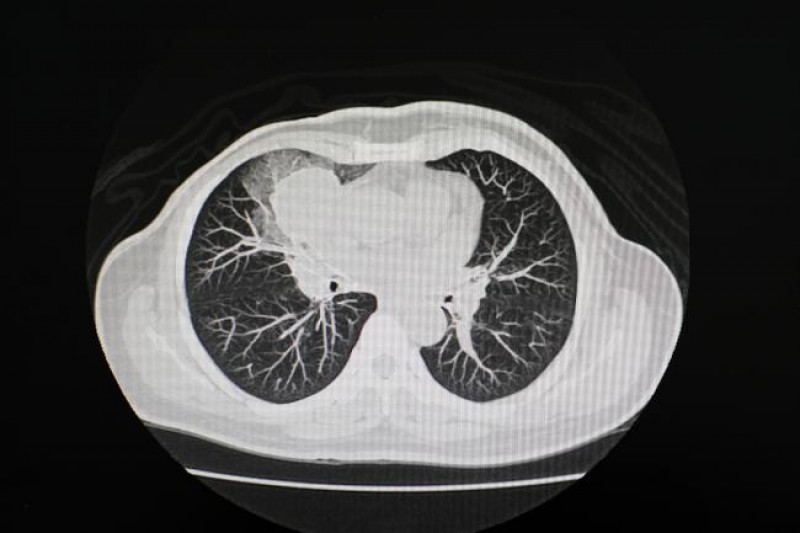
#AIinHealthcare #MedicalImaging #ChronicDiseaseDetection
www.nih.gov
Automated CT scan analysis could fast-track clinical assessments
NIH-funded research suggests AI-powered tool could streamline diagnoses and unveil early markers for chronic disease.
A research team funded by the National Institutes of Health (NIH) has developed a versatile machine learning model that could one day greatly expand what medical scans can tell us about disease.
N

#PancreaticCancer #EarlyDetection #CancerResearch
www.nih.gov
Progress toward a blood test for early pancreatic cancer
Pancreatic ductal adenocarcinoma, or PDAC, accounts for the vast majority of pancreatic cancers. It is one of the leading causes of cancer death in the United States because the survival rate is very low.


N

#Alzheimers #Biomarkers #ClinicalTrials
www.nih.gov
Study measuring changes in protein structure establishes new class of Alzheimer's biomarkers
NIH-funded insights into Alzheimer's biology could help with early diagnosis, future clinical trials
In a study supported by the National Institutes of Health (NIH), researchers have identified a new type of blood-based biomarker test for Alzheimer's disease that measures structural changes in proteins, providing more information on the underlying biology of the disease than standard blood tests.
N

#HIVPrevention #DigitalHealth #CommunityHealth
www.nih.gov
NIH-supported trial reduces HIV incidence by 70% in rural populations
Study used technology to extend reach of existing infrastructure, linking people to care.
A study funded by the National Institutes of Health (NIH) reduced new HIV cases by 70% in rural Kenya and Uganda by pairing digital tools with tailored HIV services delivered by community health workers and clinicians.
N

#BoneHealing #FractureRepair #MedicalResearch
www.nih.gov
Sensory nerves play role in bone fracture healing
Bone fractures are common, with millions occurring nationwide each year. Aging and conditions such as diabetes or obesity may cause bones to heal slowly or lead to complications during the healing process that can lead to long-term disability.




N

#EnvironmentalHealth #PublicHealth #CommunityResearch
www.nih.gov
NIH opens East Palestine Health Research Office to study train disaster
Three years ago, a train derailment spilled hazardous chemicals into the Ohio community.
The National Institutes of Health (NIH) has opened the East Palestine Train Derailment Health Research Program Office to assess and address the long-term health outcomes stemming from the 2023 train derailment in East Palestine, Ohio.
N
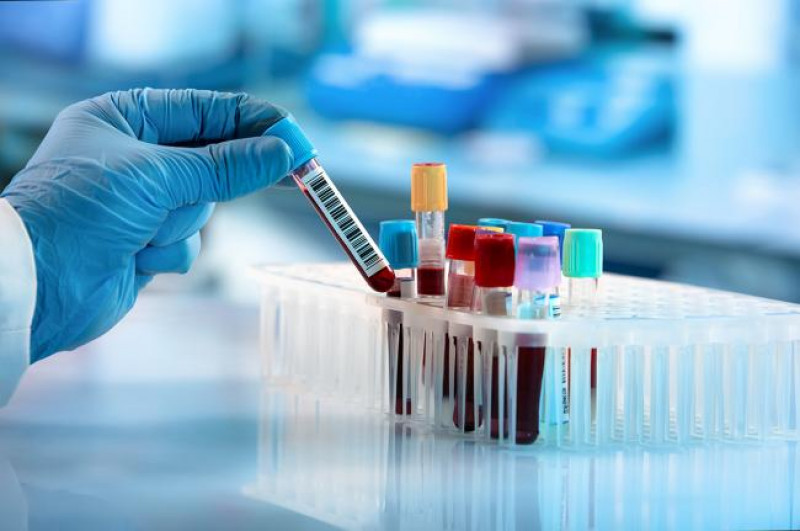
#PancreaticCancer #EarlyDetection #CancerResearch
www.nih.gov
Researchers identify new blood markers that may detect early pancreatic cancer
NIH-funded, four-marker panel could one day help catch one of deadliest cancers at more treatable stages.
National Institutes of Health (NIH)-supported investigators have developed a blood test to find pancreatic ductal adenocarcinoma, one of the deadliest forms of cancer.